The Committee for Political Engagement, known on campus as CPE, is a nonpartisan political club dedicated to open dialogue and encouraging political engagement. The club was founded in the early 2010s — then known as the Committee for Political and Legislative Awareness (CPLA) — to maintain a bipartisan environment on campus. Over a decade old now, CPE continues to meet weekly to have transparent discussions regarding political issues and to inform students of upcoming opportunities for civic engagement both on and off campus. Their signature events are Bipartisanship and Bubble Tea nights, during which students participate in speed-dating-style debates while drinking delicious bubble tea.
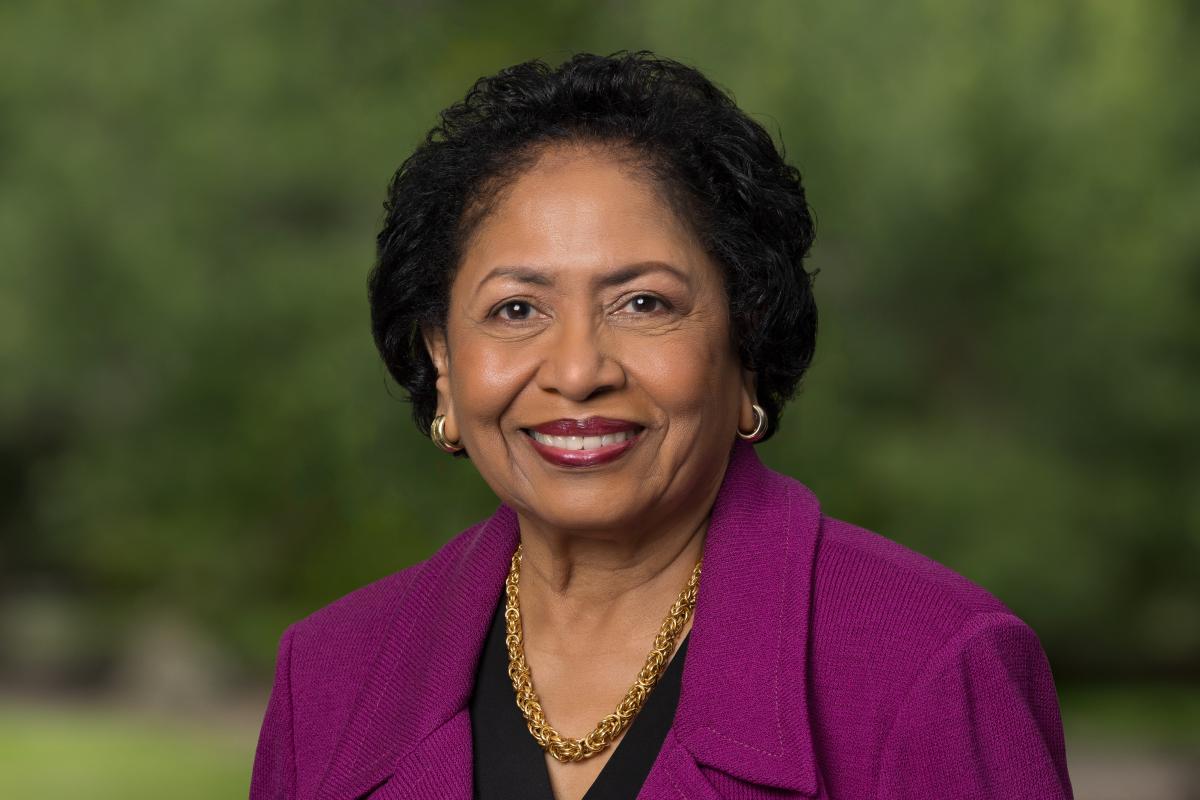
The Political Engagement Chair (PEC) serves as the head of CPE and is also a member of the College Government Cabinet — a group of eight students who make up the College Government’s leadership. This school year, Sidney Briggs ’26 holds the position. In an interview with The Wellesley News, Briggs recounted her motives for becoming PEC: “When I returned from studying abroad, I felt revitalized and prepared to dive more deeply into the world of organizing.” Above all, she said, she wanted to become a part of how Wellesley works to “[strengthen] spaces for conversation, education and empowerment.”
“One of my goals this year was to ease student organizing infrastructure through educational events and intentional conversation,” Briggs mentioned. This can be seen in the organization’s recent collaboration with the Babson Political Association during the ever-famous Bipartisanship and Bubble Tea night, as well as through its work with advocacy organizations. “The development of the coalition of advocacy orgs … has been working together to unify efforts that address shared challenges,” Briggs said, also noting the role of org leaders who brought the coalition up as an incentive for CPE to create.
Many Wellesley students may feel that because they live on a solidly blue campus within a blue state, they can take a step back from activism. This false sense of security can lead to decreased political engagement — something CPE is working to address.
“There are so many important reasons to stay involved,” said Briggs, “[N]o matter the political tendencies of the area you are in.” She added that “staying aware and active is crucial” to hold elected officials accountable and combat harmful policies.
As many of its leaders are set to graduate this spring, CPE hopes that its next leaders will continue the engaging momentum they’ve worked hard to generate. Particularly, Briggs highlighted that she would love for the next leaders of CPE to continue their work in bringing forth opportunities on and off campus for student voices and conversations with “passion, empathy, community-building and joy” after she graduates.
Upcoming CPE events include an Open Forum for Community Resilience with President Johnson and Provost Coile on March 6 and participation in a cross-campus survey throughout March. A Stand Up for Science protest will be held outside of the Wellesley Town Hall on March 7, and another No Kings protest will be held in both Wellesley and Boston on March 28. If anyone is interested in getting involved and continuing the work of CPE, email Sidney Briggs ([email protected]), and she would love to chat!
Contact the editors responsible for this article: Hira Khan and Chelsea Tarringer