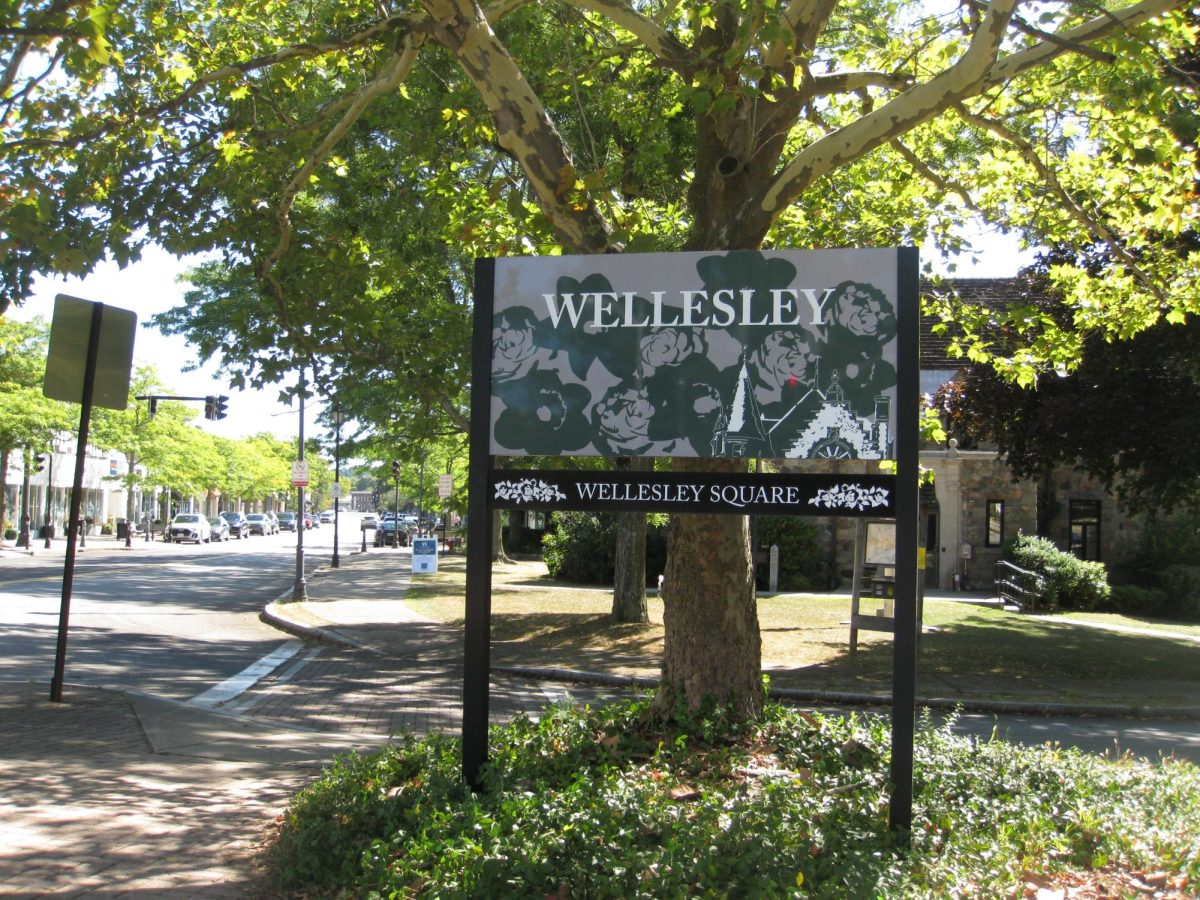
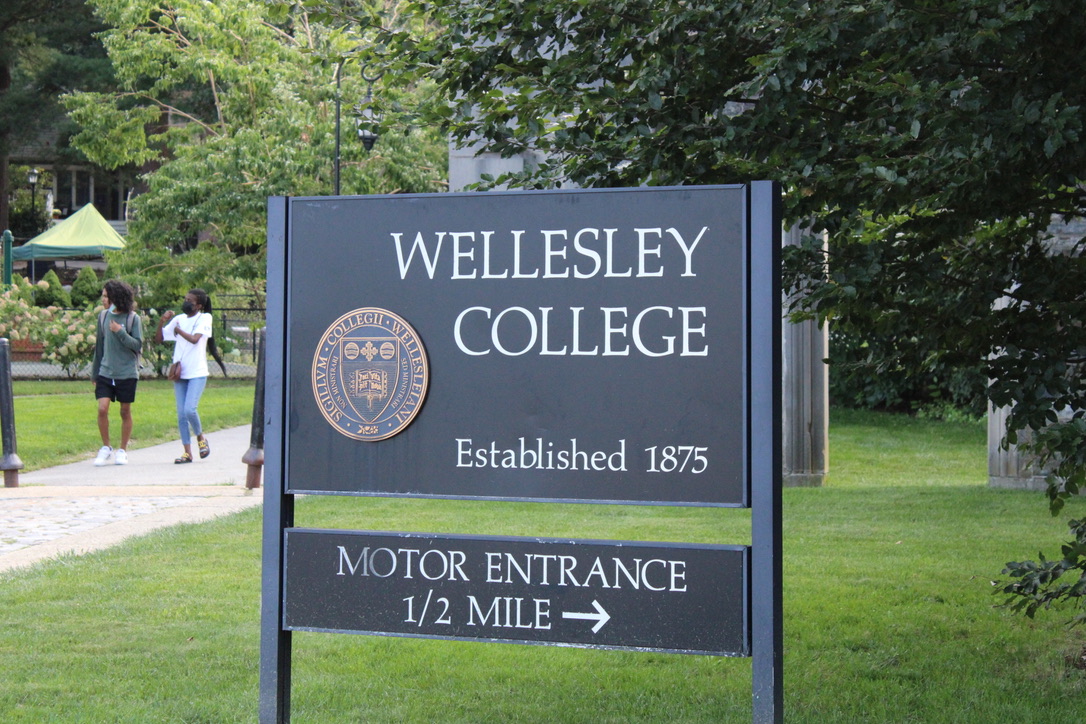
A common misconception on campus is that Global Flora, the College’s striking greenhouse, is the entirety of the Wellesley College Botanic Gardens. In reality, the gardens span 22 acres across campus, showcasing a diverse tapestry of natural worlds. From the Edible Garden to a newly restored wetland, this green sanctuary blends science, history, and human connection. As the gardens celebrate their 100th anniversary, they stand as a living testament to the College’s century-long commitment to creating a “center of interest to all.”
Established in 1925, the garden was originally dedicated as a space for botany studies and fostering connections between students and plants. Over time, it has blossomed into a dynamic landscape that supports research, teaching and community engagement.
Dr. Kristina Jones, director of the Botanic Gardens for the past 20 years, has witnessed its transformation firsthand. When she began in 2005, the greenhouse was in dire need of repair and the botany department had been previously closed down, a lasting effect of the 1960s Green Revolution, when there was widespread belief that we had botany studies all ‘figured out.’ In reality, plants are incredibly complex and their connections to climate, ecosystems, and society were largely uncovered. With perseverance and vision, Dr. Jones and her team brought Global Flora to life, opening the greenhouse in 2014.
“Global Flora was the culmination of a huge amount of work,” Dr. Jones says. “It was a lot of time to plan, dream, and work on design and find what we are trying to accomplish. But when we finally opened, it was magical.”
Since then, Global Flora has become one of the most popular spots on campus. This season, students can find ripe bananas and papayas growing inside, and are encouraged to use their OneCard access during open hours to taste their unique flavors.
Still, many students overlook the fact that the Botanic Gardens extends far beyond the greenhouse; the outdoor gardens are brimming with projects and opportunities.
This past August, the Botany Department restored what was originally a glacial kettle, a natural depression covered in concrete lining, into a much more natural wetland. This quiet, calm environment is intended as both a peaceful hideout and a living laboratory for classes studying habitat sustainability.
The gardens also focus on student wellness through creative, interactive activities.
“[Last May], we brought in some sheep from a nearby farm for a week,” Dr. Jones recalls. “There were some activities of wool dying for Wooly Wellesley. It was a ‘come and relax, and check out these sheep’ event. Things like that are getting people out to other parts of the garden that you would otherwise not engage in.”
Such events are happening regularly, especially during the College’s centennial celebration. The Botany Department has organized a series of celebrations and educational programs, such as Destination Walks, to highlight the garden’s beauty and foster deeper connections between people and nature.
At its core, the Wellesley College Botanic Gardens is more than a collection of plants. It is a vibrant, educational space dedicated to developing a greater understanding of the natural world. Dr. Jones reflects, “Just getting out there and engaging, you’ll just feel so good to get outside. Especially if you get to know a particular plant, that could be your friend. You can go visit your friend, see how they deal in the winter. It gives you a sense of belonging on campus, especially if you’re not from here.”
Overall, the gardens are guided by principles of environmental justice, sustainability, and community building. Its mission reflects Wellesley’s larger commitment to inclusivity, forming a space for wellness, accessibility and finding a true sense of belonging for all those who visit or engage with the gardens.
For those curious to explore this exciting part of campus, discover more and plan your visit at the Wellesley College Botanic Gardens website below:
https://sites.google.com/wellesley.edu/wcbg100/events
Contact the editors responsible for this story: Hira Khan, Chelsea Tarringer.