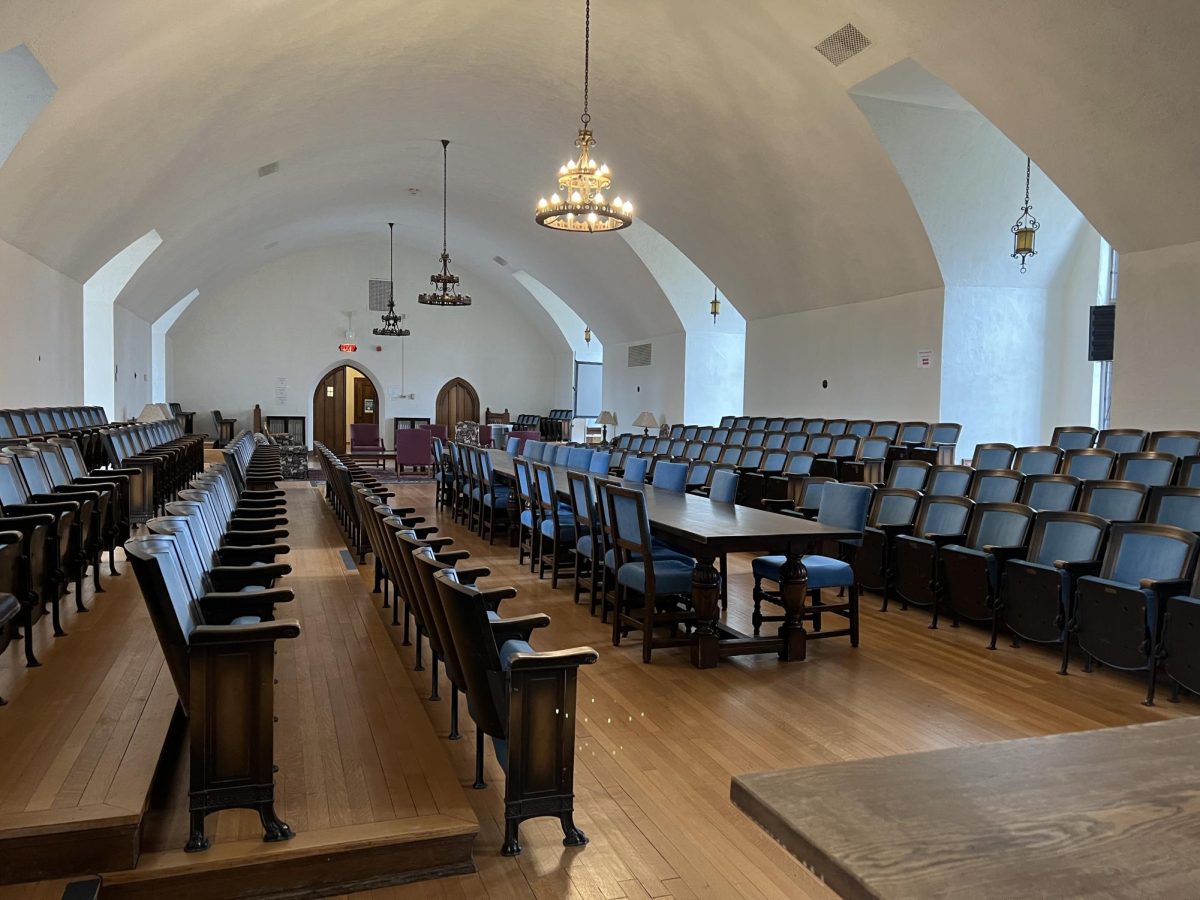
In the early evening on Monday, Nov. 10, Wellesley Senate opened a discussion on proposed changes to Wellesley’s academic schedule. These changes build on a larger overhaul of Wellesley’s academic calendar made in 2019 — partially made to comply with new accreditation requirements for class credit hours. These new potential changes, put forward by the Academic Council, aim to create additional free time during the academic day. The Academic Council put forward four new potential schedules — the two that would shift the academic day 15 minutes earlier were immediately unpopular. This would create an earlier rising time for students, but more importantly, it would complicate childcare needs for many faculty members. Students even remained apprehensive about the remaining two options — with particular concerns about how the later schedules might make daylight savings more difficult and create conflicts for sports teams.
Complaints about morning scheduling were not unsurprising to me — college students aren’t exactly known for a desire to wake up incredibly early. However, I was shocked by the general disinterest in any of the other options. While several students at Senate were intrigued by changes to the schedule, the vast majority of fellow students I have discussed this with were fairly opposed to any potential changes to the schedule at large. Now, I will admit — as a senior who will be unaffected by any future changes to the academic schedule — I think it is unfair of me to advocate for a new schedule that I will never have to experience. At the same time, I want to caution against unconsidered resistance to any new changes.
I think many students undervalue the potential of a school-wide lunch break, a stance that reveals a lot about how Wellesley students view their own work. I cannot tell you how many times I have known my fellow students to set up their schedule so that they are in class for the entirety of the dining halls’ available lunch hours. For many students who strive to stay on top of ambitious academic plans, this may be the only option available to them. But while Wellesley students are capable enough to balance these priorities, wouldn’t it be better if the system were set up to allow everyone to take a break? Including these breaks within the academic day also allows students to actually have time to take a breath, socialize and participate in other activities around campus. This also gives departments and student organizations an opportunity to have more scheduling flexibility during the day, rather than having to focus on organizing longer events only during community time.
These new schedules have many drawbacks and are far from the perfect solution to the current problems with scheduling here at Wellesley. At the same time, I think that students are quick to highlight the negatives of a new system while ignoring the shortcomings of the current schedule. While the Academic Council ultimately has final say in changes to the future schedule, I think that more students should at least be open to discussing how changes to the schedule could benefit current students.
Contact the editors responsible for this article: Caitlin Donovan, Avery Finley