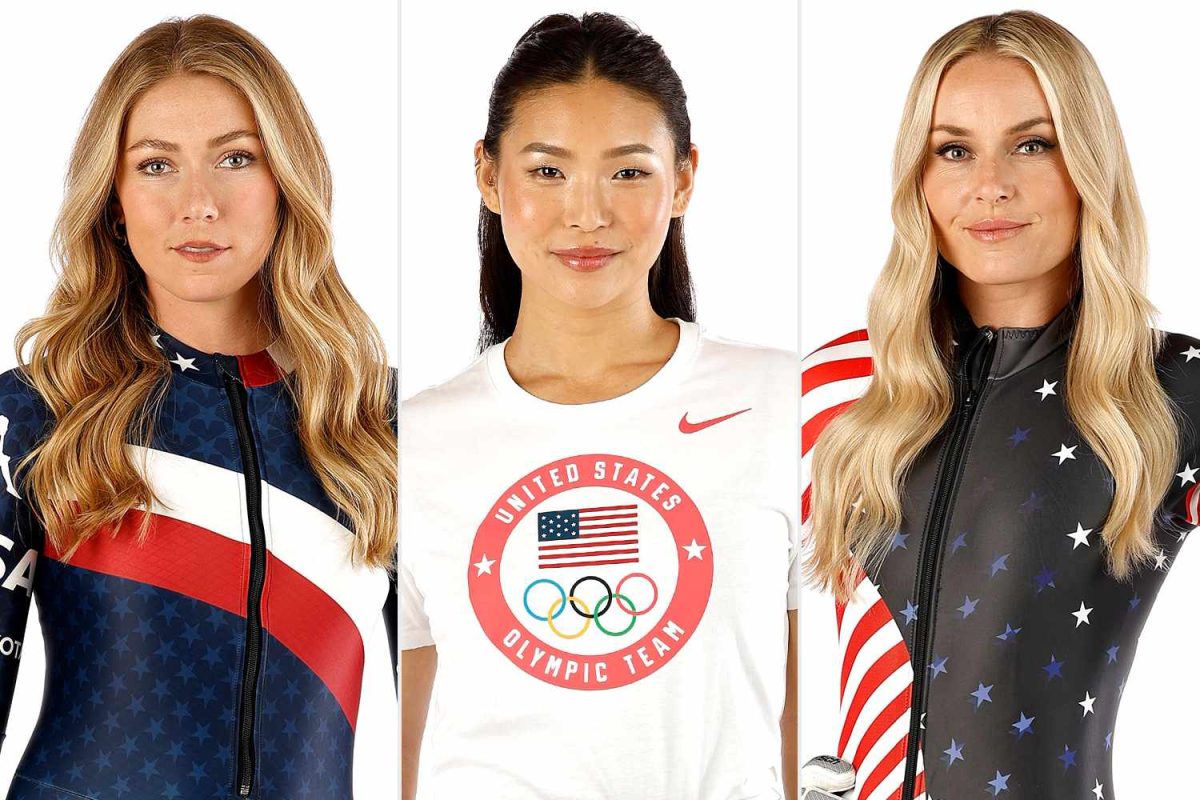
Athletes from around the world are gearing up for the Olympic Winter Games Milano Cortina 2026. Scheduled to take place from Feb. 6 to 22, the Games are already making history before competition even begins. Milano Cortina will be the most gender-balanced Winter Games to date, with women making up 47 percent of the athlete pool, a record for the Winter Games.
At the first Olympic Winter Games, held in 1924 in Chamonix, France, women made up only 4.3 percent of athletes and strictly competed in figure skating. For decades, women’s participation remained constrained due to the societal understanding of sports as a male-dominated field. Over time, event opportunities as well as female participation have gradually increased. Just four years ago, at the Beijing 2022 Winter Olympics, women accounted for 44.7 percent of athletes. The 2.3 percent increase seen in Milano Cortina may appear insignificant, but in Winter Games’ history, it represents a pivotal shift.
While the Summer Olympics reached full gender equality at the Paris 2024 Games, parity at the Winter Games has lagged. Milano Cortina marks the closest the Winter Games have come to closing this gap, showcasing a step forward in a decades-long attempt to expand opportunities for women in the Olympics.
A major driver behind this increase is the introduction of four new women’s events: freestyle skiing dual moguls, luge doubles, ski jumping large individual hill and ski mountaineering sprint. These events expand medal opportunities in events where women were previously excluded. This shift is already attracting lots of viewership attention. Many athletes have claimed the new events as overdue, stating they have put in the same work as the other athletes for years without receiving medal opportunities.
Mixed-gender events will also continue to shape the Winter Games this year. These events pair male and female athletes in joint teams, combining points to compete together for one medal. This style of competition was introduced in the 1950s and has grown to signify collaboration and visibility at the Olympics. Katrina Adams, former athlete and winner of the International Olympic Committee’s Gender Equality, Diversity and Inclusion Award, understands sports as the, “equaliser where race, gender and ethnicity don’t play a role.” To her, athletics simply place the best athletes against each other and, “It’s not about how hard you have worked.”
Milano Cortina will also host a first in cross-country skiing: men and women competing in the same distance races. Until now, women’s races were shorter than men’s, as committee members argued women did not have the same endurance capacities as men.
Despite the increase in female participation, full equality has still not been achieved. While future steps still remain, Milano Cortina marks a new milestone in the evolution of the Olympics. The last Winter Olympics held in Italy took place in 1956. Now, 70 years later, the record-setting gender balance shows an impressive social and athletic progression. This shift provides inspiration for the younger generations of female athletes, showing women can compete at the highest level of competition. As teams prepare to hit the snow, be on the lookout for these new changes.
Contact the editors responsible for this story: Finley Tipton and Katie McCabe