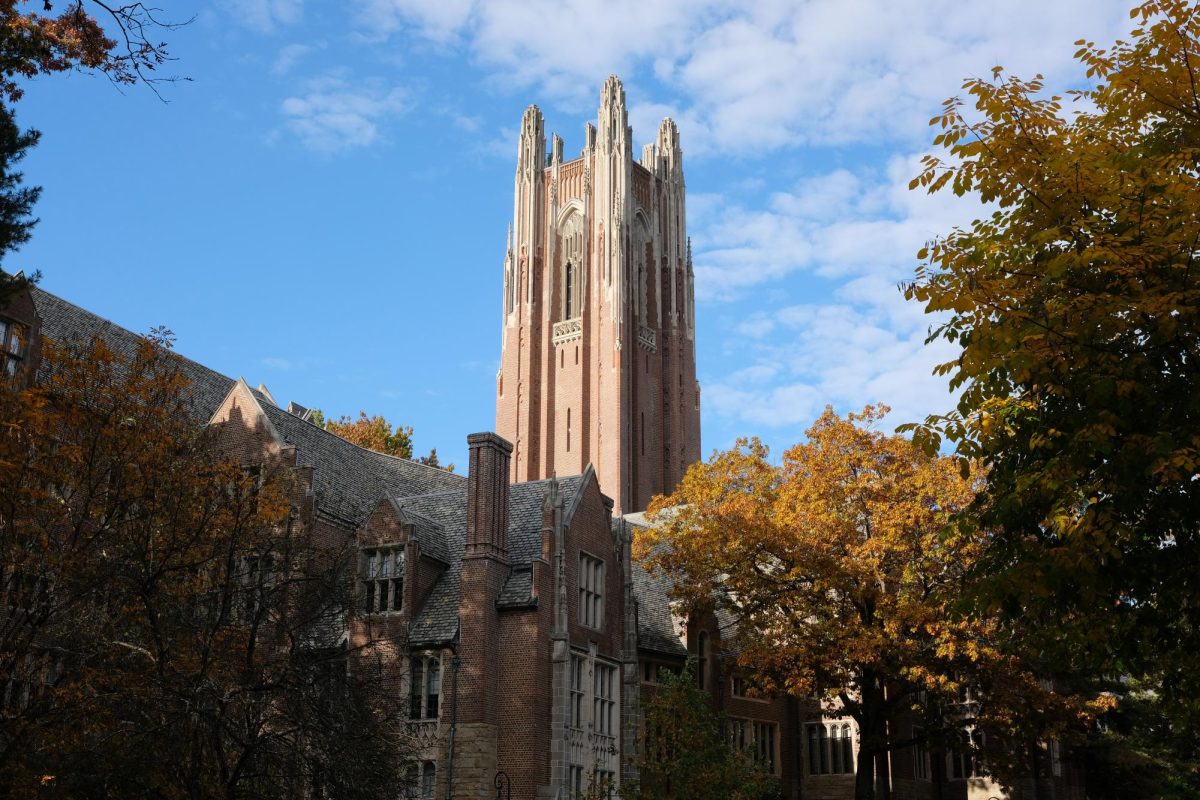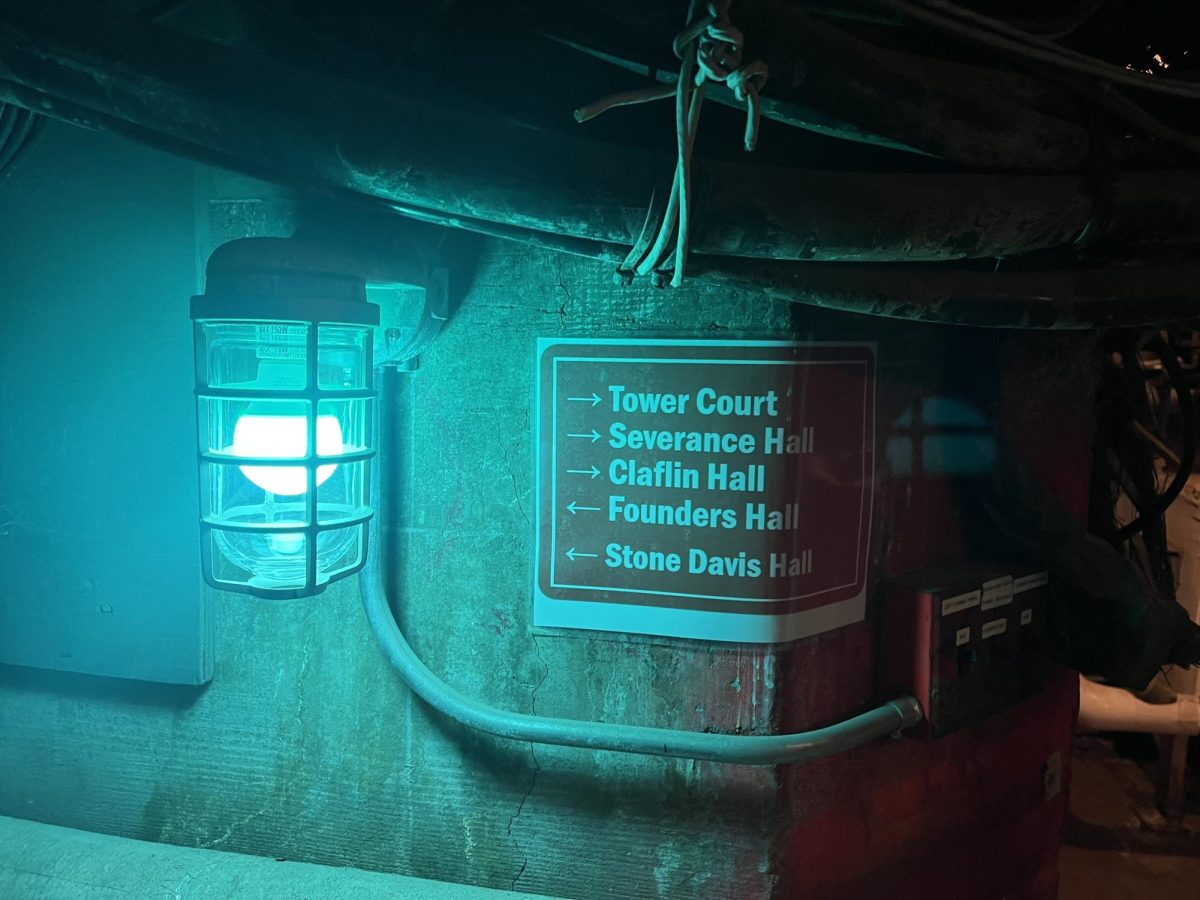
Beneath the geese-strewn landscape of Severance Green and the ornate structure of Tower Court, lies an elaborate network of tunnels with a lengthy history at Wellesley College.
The tunnels have existed since Wellesley opened in 1875, but when the College built a centralized tunnel system in 1919, students began to use them for the first time. Records indicate that from the 1920s until the 1960s, the tunnels were openly accessible to students and staff, who used them to move between buildings.
Prior to 2019, the tunnels hosted senior parties and drag performances and offered protection from the threat of nuclear war and hurricanes. Students found unlocked doors to the tunnels and used them as access points until facilities began sporadically locking them. However, in 2019, with facilities personnel citing asbestos concerns, the College administration further restricted access to the tunnels, blocking student use. The Wellesley News investigated the history of the tunnels and what their closure meant for the student community.
A November 1949 article in the News, titled “Tunnel maze supplies Wellesley with steam pipes and intrigue,” celebrated the tunnels on their thirtieth birthday and warned students of the hazards of the underground network, while also emphasizing their practical use.
“In certain treacherous spots, light bulbs have burned out, so one must beware of puddles and waste water,” it reads. “Dark, dirty and mysterious as it may be, it has proved a challenge to those inflicted with wanderlust.”
The article also compared Wellesley’s infrastructure to that of Smith College, calling Wellesley’s tunnel system “twenty-eight jumps ahead of Smith,” where a tunnel system was purportedly installed in 1947.
“I came across the tunnels by accident,” explained Eva Duckler ’19. “I did a photojournalism piece on WZLY’s basement third space and I just started walking off from a tunnel that connected from that building and started snapping pictures. I was like, ‘Oh, this is awesome!’”

Duckler said that although the tunnels were no longer easily accessible by 2019, they played a significant role in student life.
“There’s a lot of indication that it was used by a lot of people – there’s a ton of graffiti, old cans of beer,” she said. “It was very clear that it had been used as a party space previously.”
Duckler said when she attended Wellesley, the entrances to the tunnels were usually locked, but there were still ways to access them.
“There were a few open doors that you could find … I might have [put] tape over the deadbolt, try to keep as many entrances open as possible,” she said.
During the spring of her senior year, 2019, Duckler said that the College further limited accessibility to the tunnels following senior week parties.
“It was my assumption that maybe after [the senior week party], that’s what would have tightened things up, but I really don’t know for sure,” she said.
In 1962, a man claiming to be a dishwasher at the College entered Severance dorm through the tunnels and was found hiding in the basement. Email correspondence between residential staff about the incident confirmed frequent tunnel use.
“All of those employees have free access between Severance, Tower Court, and Claflin via the tunnel which is apparently unlocked at all times,” wrote Asa C. Tenney, the Director of Residence at the time.
During Ducker’s time at Wellesley, students and staff continued to use the tunnels as a transit system.
“I started using it to get from place to place because I just thought it was fun,” she said. “I think that they are regularly used by staff.”
The tunnels also offered protection from the weather and war.

When a 1938 hurricane – one of the most destructive to ever hit New England – left nine people trapped in the College’s art museum, food service staff used the tunnels to bring them food. The News covered the situation, writing that “At 8 o’clock men walked through the hot, stuffy tunnels … and brought roast beef sandwiches and coffee to the group.”
An article in the Sept. 29, 1961, issue of the News titled “[Wellesley] College Weighs Shelter Plan” discusses the conversion of the tunnels to a nuclear shelter in the wake of a recommendation from President John F. Kennedy to plan for radioactive fallout. Tenney is quoted as saying that “probably everybody could be cared for underground.”
Duckler laments that student life on campus in general seems to be slipping out of student control, starting with a physical loss of third spaces.
“It’s not just the tunnels, it’s a lot of spaces at Wellesley. There is a general tightening admin grip over different spaces and a loss of student whimsy,” she said.
Without space on campus, students outsource weekend partying activities to Boston.
“It’s really cool because Boston has a lot to offer and it’s great to be social with other schools … [but] my experience at Wellesley was punctuated by the ability to create these joyous spaces on campus.”
Furthermore, Duckler said that access to the tunnels gave students greater ownership over their campus.
“For students to have that kind of safety and sovereignty over their campus is really awesome,” she said. “It’s a very unique time where you live on this sort of playground with your classmates, and there’s a lot of value in exploring unknown spaces that are usually the underbelly of the systems that support the rest of campus.”
She explained that partying on the Wellesley College campus is simply more logical. “It always felt safer to f*ck around on campus – this place is my home,” Duckler said.
As renovations continue on campus, Duckler hopes that current Wellesley students will feel “momentum to have more autonomy over campus social life again.”
Contact the editor responsible for this article: Emily Kohler and Noufeesa Yahyaoui