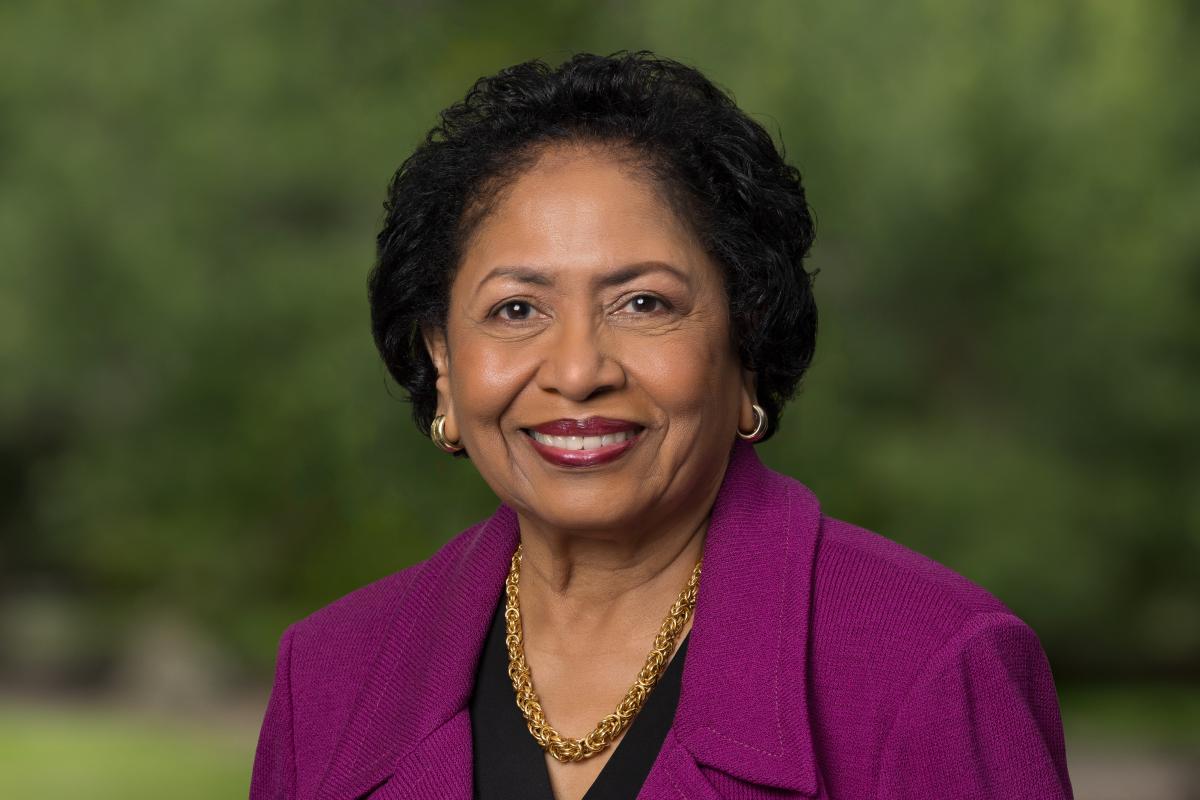
On Feb. 27, 2023, College Government Senators unanimously passed the Gender Inclusivity Ballot Question, giving students the opportunity, through a non-binding referendum, to indicate their stance on policies of gender inclusivity at Wellesley. The questions concerned both the College’s admissions policy and its use of gendered language in official communications. In a Mar. 6, 2023 email, President Paula Johnson affirmed “Wellesley’s mission as a women’s college,” vehemently denying that there will be any change to the admissions policy and making it clear there were no plans of transitioning away from gendered language. However, she announced a commitment to “supporting,” “acknowledging” and “respecting” trans and non-binary students.
While the language of the College’s admissions policy is an issue possibly more removed from current student life, gendered language from the College remains a tangible issue in students’ day-to-day lives, most notably in official communications from President Johnson that consistently use the terms “women,” “alumnae” and “women’s college.”
Almost two years after the gender inclusivity ballot question, it’s only become clearer how glaring the College’s deliberate oversight of its own students is.
In a College announcement email on March 6, 2023, President Johnson acknowledged the many transgender male and nonbinary students who attend (and later graduate from) Wellesley. She said that these trans and nonbinary students “feel excluded by the College’s use of the words “women” and “alumnae”—and feel that their individual identities are not embraced.”
President Johnson and her administration are aware of the student body over which they preside. However, the College still consistently refers to us as a “women’s college,” despite a majority of students using the phrase “historically women’s college.” Emails exclusively use she/her pronouns throughout, and newsletters to parents share updates pertaining to “your daughter.”
While Wellesley’s longstanding, incredibly important mission to educate and lift up women is laudable, the College exists for its students today just as much as for its past alumni. To acknowledge that transgender and nonbinary students are current students at the College, and yet to cut them out of College communications by using the term “women” is not only a slap in the face to the students who have a huge impact on the College’s community and operations, but also a repudiation of how far Wellesley College has come as a forward-looking institution.
Wellesley constantly touts its alumni, and with good reason. Wellesley’s alumni are the people who go out and change the world (see also: Katharine Lee Bates, Lorraine O’Grady, Nora Ephron, Madeleine Albright, Pamela Melroy, Lulu Chow Wang, Michelle Au and Diane Sawyer). Wellesley is beyond committed to its alumni, and alumni’s reciprocal commitment to Wellesley, from returning to give lectures to financial contributions, further makes Wellesley the institution that it is.
But Wellesley must not forget that it is preparing its current students — including transgender male and nonbinary students — to go out and change the world like so many alumni before. Wellesley’s refusal to acknowledge these students in college communications is an act of alienation.
The College’s administration is — somewhat understandably — more removed from the student body than professors. The College must respond to the pressures of students, alumni, donors and board members. But as a college at the forefront of higher education, whose effects on the world through its alumni are incredibly visible, the commitments it makes to its current students should be of the utmost importance, for current students — believe it or not — become alumni. For a college that rightfully reveres its world-changing alumni, it seems that overlooking these future alumni while they’re on campus is a shortsighted and inconsistent practice. Wellesley’s commitment to its past students over its current ones is clear.
It isn’t impossible to reconcile Wellesley’s founding mission and its present existence; Wellesley professors do it all the time. Professors seem to have become the true guardians of the mission, making inclusivity of their students, in the classroom and beyond, a central component of how they operate. They uphold the tenets of gender inclusivity that the College lays claim to.
Wellesley cannot hide behind the defense of its mission when it means that College announcements that impact — first and foremost — current students, erase them. When the College speaks directly to students who — it has acknowledged — include trans and nonbinary students, and when students are the people who will feel the effects of these announcements first, the College has a responsibility to refer to them as they identify if it wants to act in accordance with its commitment to inclusivity.
In that March 6 email, Johnson said that “this is who we are: a women’s college and a diverse community. I think we can do better at finding that balance.”
We are not asking Wellesley to bend to its students’ will on every issue that students have an opinion about. But we are asking Wellesley to listen to the students it works for when they ask the College to respect their very identities. After all, it doesn’t threaten our mission to say “Dear parents, please join us in recognizing your child at the 2026 Commencement ceremony, as we celebrate the next cohort of esteemed Wellesley alumni.”
In the spirit of doing better at finding balance, it’s time for the administration to revisit the question of gendered language.